What are casinos not on GamStop, and what should UK players know?
 Available in GB
UK player guide
A plain, risk-first look at the offshore sites that sit outside the UK self-exclusion scheme: what they are, where the law actually lands, and what you trade away by using them.
By Owen Radcliffe, iGaming Regulation and Self-Exclusion Analyst —
Casinos not on GamStop are online gambling sites that hold no UK Gambling Commission licence and so are not connected to GamStop, the national self-exclusion scheme that launched in April 2018 and became fully operational from 2020. Every UKGC-licensed operator has to integrate the scheme, so by definition the sites you find outside it are running on foreign licences. This guide explains what that means in practice, where you stand legally, how safe your money is, and where to get help.
Table of Contents
- The short version
- How do non-GamStop operator profiles compare?
- What does not on GamStop actually mean?
- How does GamStop work, and why do some casinos sit outside it?
- Is it legal to play at a casino not on GamStop in the UK?
- Recommended online casinos
- Which licences are these casinos actually running on?
- How safe is your money when there is no UKGC cover?
- What really happens with verification and KYC at these sites?
- What do you actually gain, and what do you give up?
- How did GamStop come about, and what is changing now?
- So where does that leave a UK player weighing this up?
- Where to get help right now
- About the author
- Questions UK players ask about non-GamStop casinos
The short version
- A casino not on GamStop is simply one without a UK Gambling Commission licence, so it is not plugged into the UK self-exclusion scheme.
- Playing at one is not an offence for you, but providing the service to UK players without a UKGC licence is an offence for the operator under section 33 of the Gambling Act 2005.
- These sites overwhelmingly run on Curacao or Anjouan licences, which carry far weaker player protection than a UKGC licence.
- You lose UK fund-segregation standards, approved dispute resolution, stake limits and affordability checks, and recourse if a withdrawal is refused is usually limited.
- No-verification claims are usually deferred verification: identity and source-of-funds checks tend to surface at the withdrawal stage.
- If you have self-excluded and feel pulled towards an offshore site, free support is available on the National Gambling Helpline at 0808 8020 133, 24 hours a day.
How do non-GamStop operator profiles compare?
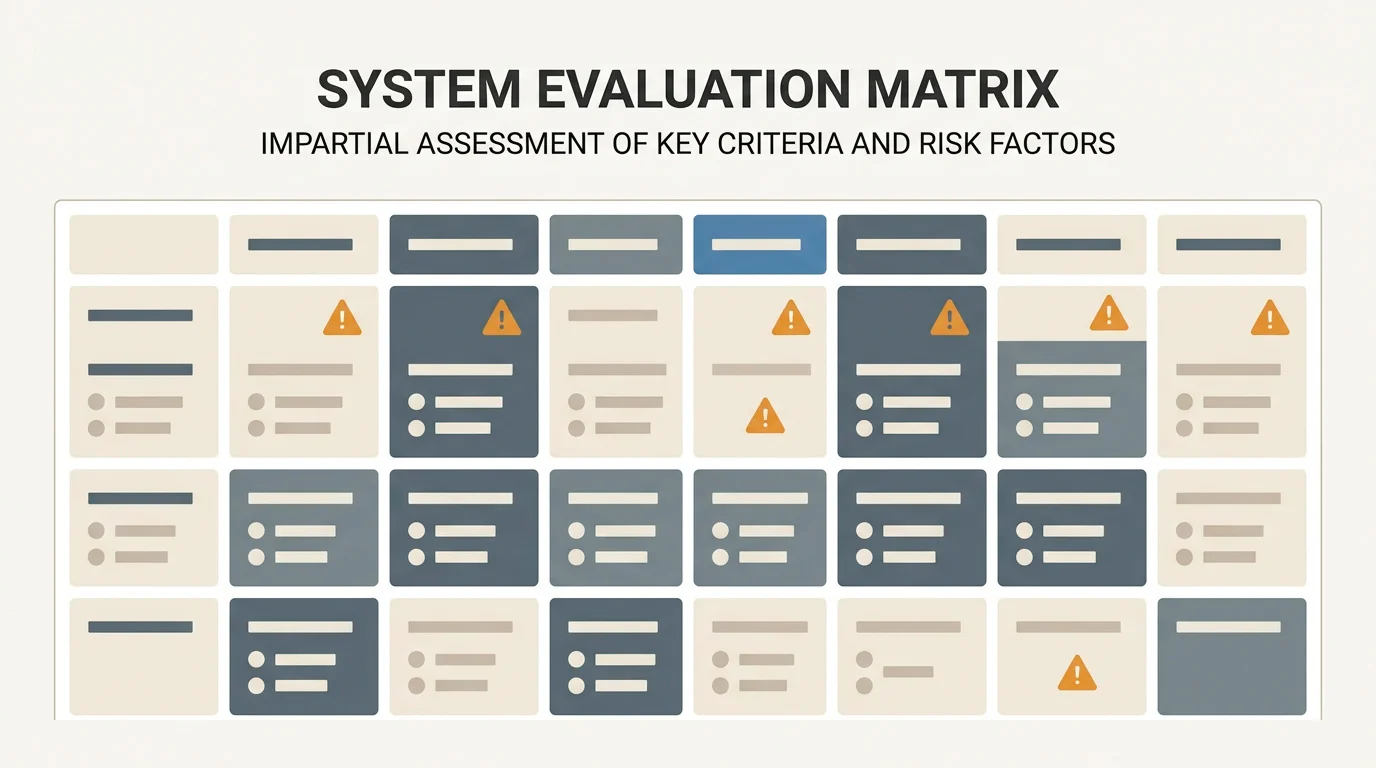
Most listicles about this topic rank named casinos by bonus size. That approach is exactly what we avoid here, because brand-level claims are hard to verify and the genuinely useful distinction is the licence and risk profile behind a site rather than its marketing. The table below compares the operator profiles you will actually meet when you go looking for casinos not on GamStop, with at least one objective risk marker on every row. None of these profiles carries UK Gambling Commission protection.
Read the rows as categories, not endorsements. The founding-year column refers to the licensing regime era rather than any single brand, because a reliable incorporation date cannot be confirmed for an abstract profile. Always verify a specific operator’s licence yourself before depositing.
| Operator profile | Licence / jurisdiction | Regime era | Key features | Objective risk marker | Status | Details |
|---|---|---|---|---|---|---|
| State-regulated Curacao site | Curacao, single regulator (CGA) under the LOK reform | Licences issued from late 2024 onward | Centralised oversight, AML rules from April 2025 | No UKGC cover and no GamStop link; disputes resolved under Curacao law, not UK rules | Assessed | how to check the licence |
| Legacy master-licence Curacao site | Curacao, old sub-licence model now being phased out | Pre-2024 master-licence era | Long-established but thin historic oversight | Weak historic supervision and often opaque ownership | Assessed | how these operators compare |
| Anjouan-licensed site | Anjouan (Comoros), entry-level gaming credential | Entry-level regime | Low licensing cost, fast issue, common with newer brands | Entry-level licence that generally does not authorise UK service | Assessed | the legal status for UK players |
| Crypto-first, low-KYC site | Usually Anjouan or Curacao | Varies | Crypto deposits, light or deferred sign-up checks | Verification and source-of-funds demands surface at withdrawal, with frozen-balance risk | Reviewed | the safety risks |
| Branded EU-licence site marketing to the UK | Malta or Gibraltar branding aimed at UK visitors | Established licence, UK-facing marketing | Polished presentation, familiar game libraries | Taking UK custom without a UKGC licence would put the operator outside UK law | Assessed | why these still need GamStop |
| Site with no verifiable licence | No traceable regulator on record | Unknown | Aggressive bonuses, vague company details | No traceable regulator at all, the highest rogue-operator exposure | Reviewed | what you give up outside the UKGC |
This comparison is informational and ranks nothing. Each profile sits outside UK Gambling Commission oversight, none is connected to GamStop, and none offers the fund protection or dispute resolution a UK-licensed site must provide. Verify any individual operator’s licence against the named regulator before you deposit, and treat unverifiable licences as a reason to walk away.
What does not on GamStop actually mean?
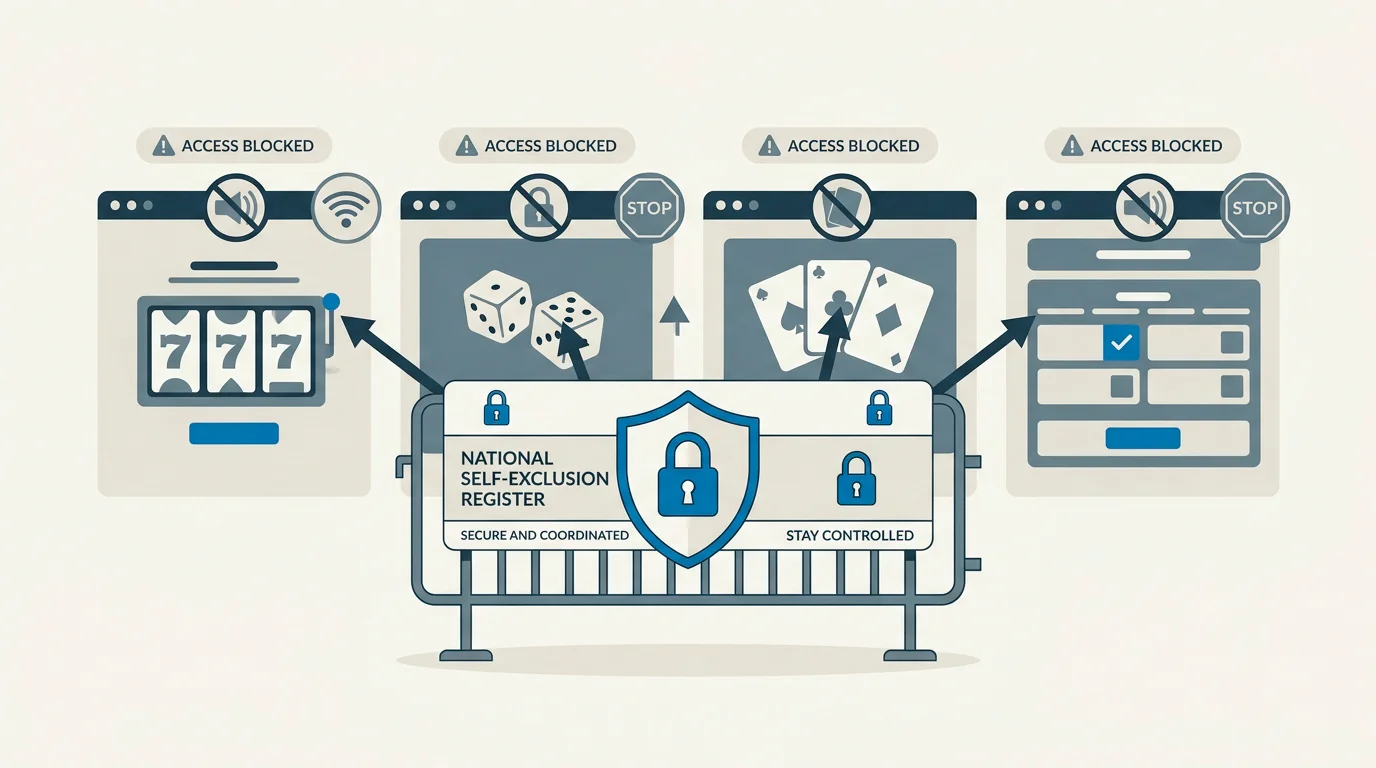
The phrase sounds like a feature, but it is really a description of an absence. GamStop is the national, multi-operator self-exclusion scheme for Great Britain, run by the non-profit National Online Self-Exclusion Scheme Limited. When someone registers, they are blocked from every online gambling site and app operated by a company licensed in Great Britain, for a chosen period of six months, one year or five years. A casino is not on GamStop for one simple reason: it does not hold a UK Gambling Commission licence, so it is under no obligation to connect to the scheme and, in practice, does not.
That distinction matters more than the marketing suggests. A site sitting outside GamStop is not a special UK product with the self-exclusion switch turned off. It is a foreign-licensed operator that the UK system does not reach. Everything that follows in this guide flows from that single fact, from the legal position to the way your money is held and the help available if things go wrong.
How does GamStop work, and why do some casinos sit outside it?
GamStop works as a shared register rather than a per-site setting. A person signs up once, confirms a self-exclusion period, and that record is matched against the customer databases of participating operators so that new accounts and logins are refused. Participation is not optional for the UK industry: under the Licence Conditions and Codes of Practice, Social Responsibility Code Provision 3.5.5 makes integration mandatory for UK-licensed operators, and from 1 April 2024 that requirement was extended to firms taking bets by telephone and email as well. If you want the mechanics in more depth, our explainer on how GamStop works walks through the registration and matching process step by step.
The reason offshore casinos sit outside it is structural, not technical. GamStop can only bind the operators the UK regulator licenses. A company licensed in Curacao or Anjouan has no UKGC licence to attach conditions to, so the scheme simply has no hold over it. That is why a site can advertise itself as available to players who have already self-excluded: it is not defying the scheme so much as standing entirely outside the system that runs it. To see the landscape of operators this actually points to, our overview of which casinos sit outside GamStop maps the market in detail.

Quick facts on the scheme
Launched
April 2018, fully operational from 2020
Operator
National Online Self-Exclusion Scheme Limited (non-profit)
Cost to register
Free
Exclusion periods
Six months, one year or five years
Coverage
The full UKGC-licensed online estate, commonly cited as more than 300 sites
Registrations
Reported as roughly over 400,000, rising past 500,000 (approximate)
Is it legal to play at a casino not on GamStop in the UK?
This is where the SERP usually goes thin, repeating a flat legal for UK players without explaining the split that actually matters. The honest answer has two halves. For you as a player, there is no UK offence in placing a bet at an offshore site; the Gambling Act 2005 does not criminalise the individual customer. For the operator, the position is very different. Providing facilities for remote gambling that are used in Great Britain, where the operator knows or should know they are used here, without a UK Gambling Commission licence, is an offence under section 33 of the Gambling Act 2005.
So the lawful-for-players line is true as far as it goes, but it hides the part that should inform your decision. You are not at legal risk, yet you are deliberately using a service that is operating outside the UK framework, often unlawfully from the operator’s side, and entirely outside the protection that framework provides. The UK Gambling Commission sets and enforces those operator conditions, and our deeper page on the legal status for UK players takes the section 33 question apart in full.
The takeaway: you are not breaking the law by playing, but you are choosing a site that is usually breaking it by serving you, and that is the same site you would have to rely on if a dispute arose.

Recommended online casinos
- DieselwinBonus: Welcome Pack 250% up to £4000 + 200 FS · Payout speed: 1-3 business days
- SlotoSportBonus: 500% up to £ 10 200+ 777 FS · Payout speed: 1-3 business days
- ChanzeBonus: Slots Welcome Bonus #1 200% up to €500 · Payout speed: 1-3 business days
- NightLuckBonus: Welcome Pack + 805% Up To 6400€ + 280 FS · Payout speed: 1-3 business days
- SpinFormulaBonus: 550% Up To £15,000 + 550 FS · Payout speed: 1-3 business days
- BritsinoBonus: Welcome Package – Get your £2,200 + 2,000 FS · Payout speed: 1-3 business days
- AmunbetBonus: Join now and get 450% up to 2,700 GBP + 450 FS · Payout speed: 1-3 business days
- NightWinBonus: £900 + 400 free spins · Payout speed: 1-3 business days
Which licences are these casinos actually running on?
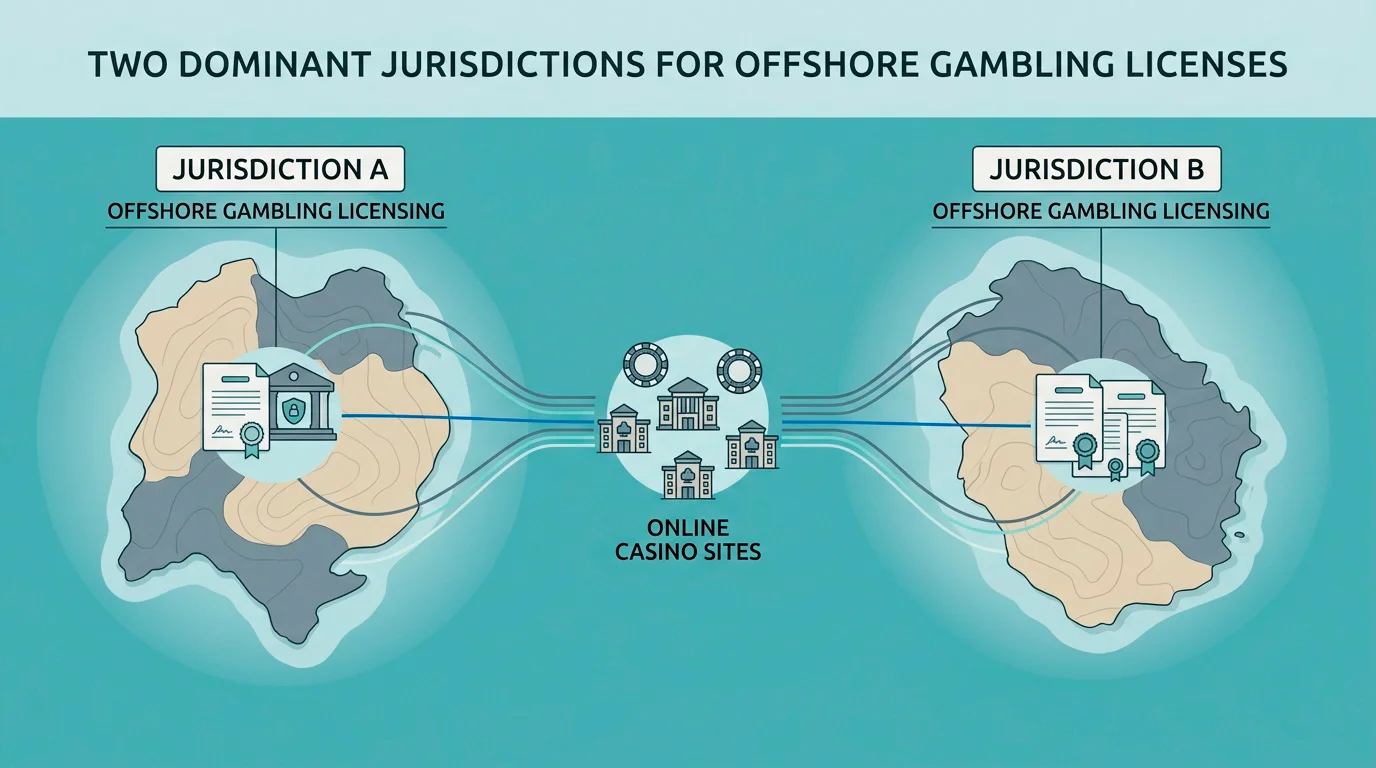
Almost every genuinely non-GamStop site you encounter runs on one of two credentials: a Curacao licence or an Anjouan licence. The reason is logical. Operators holding Malta, Gibraltar or Isle of Man licences who wanted to take UK custom would normally need a UKGC licence too, which would pull them back inside GamStop. The licences that let an operator serve UK players while staying outside the scheme are the ones with lighter requirements, and that is exactly why they cluster around Curacao and Anjouan.
Curacao has been reforming. Its old, cheap master-licence model, where a handful of master-licence holders issued sub-licences with little oversight, has been replaced by a single state regulator, the Curacao Gaming Authority, under a national gambling law that came into force at the end of 2024, with new anti-money-laundering rules following in April 2025. Anjouan, in the Comoros, sits lower still: it is an explicitly entry-level credential, cheap and quick to obtain, that generally does not authorise service to UK players in the first place.
Where crypto fits in
Payment method and licence tend to travel together. When mainstream card and bank processors decline to serve a lightly licensed casino, cryptocurrency fills the gap, which is why the crypto-first segment overlaps so heavily with the Anjouan and legacy-Curacao profiles. That is convenient for fast, low-friction deposits, but it also strips out one more layer of consumer recourse, since a crypto payment is far harder to reverse than a card chargeback.

How safe is your money when there is no UKGC cover?
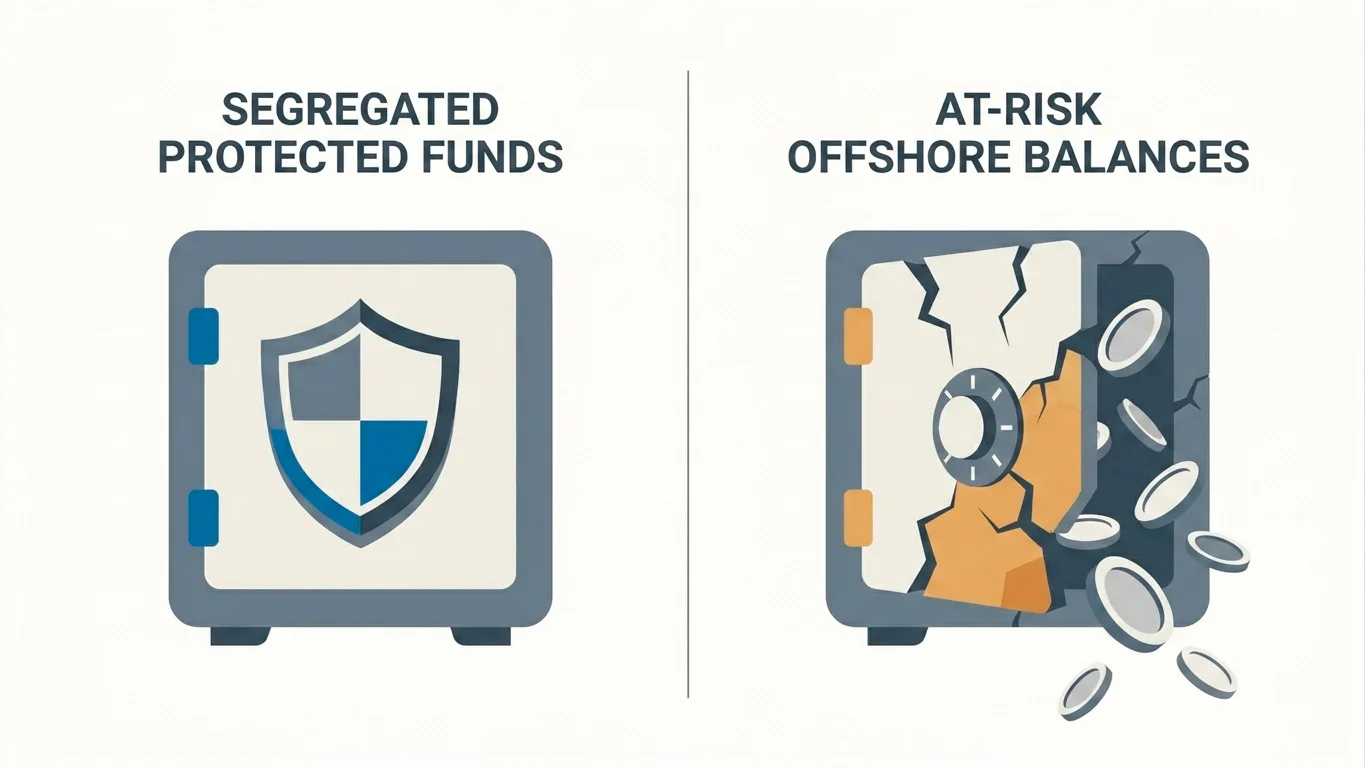
The blunt answer is that there is no UK-backed safety net. UKGC-licensed operators must meet standards on how customer funds are held and must route unresolved disputes through Gambling Commission-approved alternative dispute resolution. Offshore sites are bound by none of that. If your balance is frozen, a withdrawal is refused, or a bonus is voided on a technicality, your recourse is whatever the foreign regulator named on the licence chooses to offer, which in practice is often slow, limited or effectively unavailable.
This is not a hypothetical risk. The most common pattern is a player who deposits and plays without friction, then hits a wall at withdrawal, where the operator suddenly demands extensive documentation or applies a maximum-cashout clause that caps the payout far below the balance. Because the funds sit with a company you cannot meaningfully hold to account, the practical outcome can be a long wait or a partial loss. Our dedicated guide on protecting yourself without UKGC cover sets out the concrete checks worth making before any money goes in.
What really happens with verification and KYC at these sites?
The no-verification promise is one of the strongest draws in this market, and one of the most misleading. Genuine no-KYC operation is rare. What most of these sites actually offer is low-KYC or deferred-KYC: the checks have not been removed, they have been moved to the moment you try to take money out. You sign up and deposit with almost no friction, which feels frictionless, but enhanced identity and source-of-funds requests then appear precisely at the withdrawal stage, and that is where balances get frozen and waits stretch into months.
It helps to see this as a risk marker rather than a perk. UK-licensed sites run identity and affordability checks because they are required to protect players, including light financial-vulnerability checks that have applied in the UK since early 2025. An offshore site that skips that on the way in is not doing you a favour; it is operating with a weaker anti-money-laundering posture and a higher chance of turning out to be a rogue operator. The absence of verification is a warning sign, not a benefit.
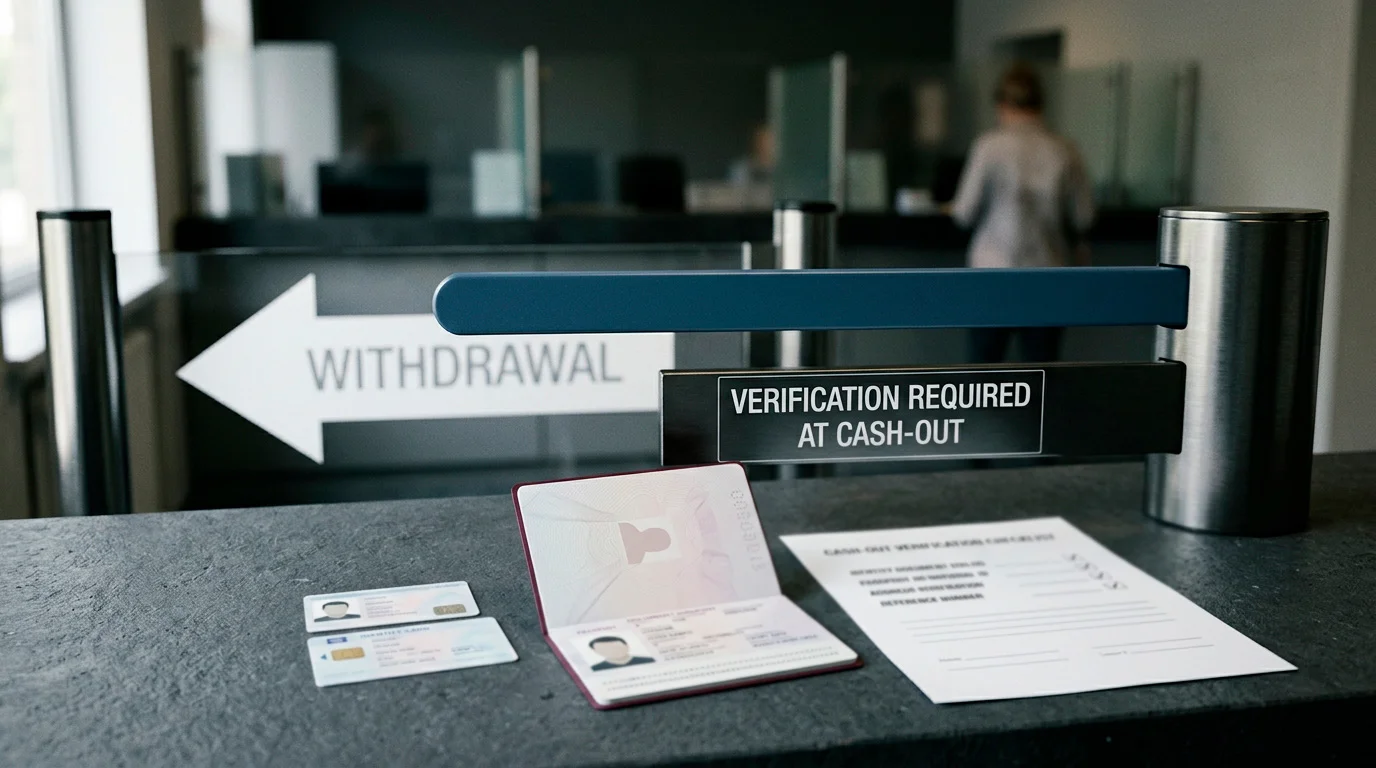
If a site asks for nothing on the way in but everything on the way out, treat that as the catch, not the convenience. The friction has not disappeared; it has been parked at the exit.
What do you actually gain, and what do you give up?
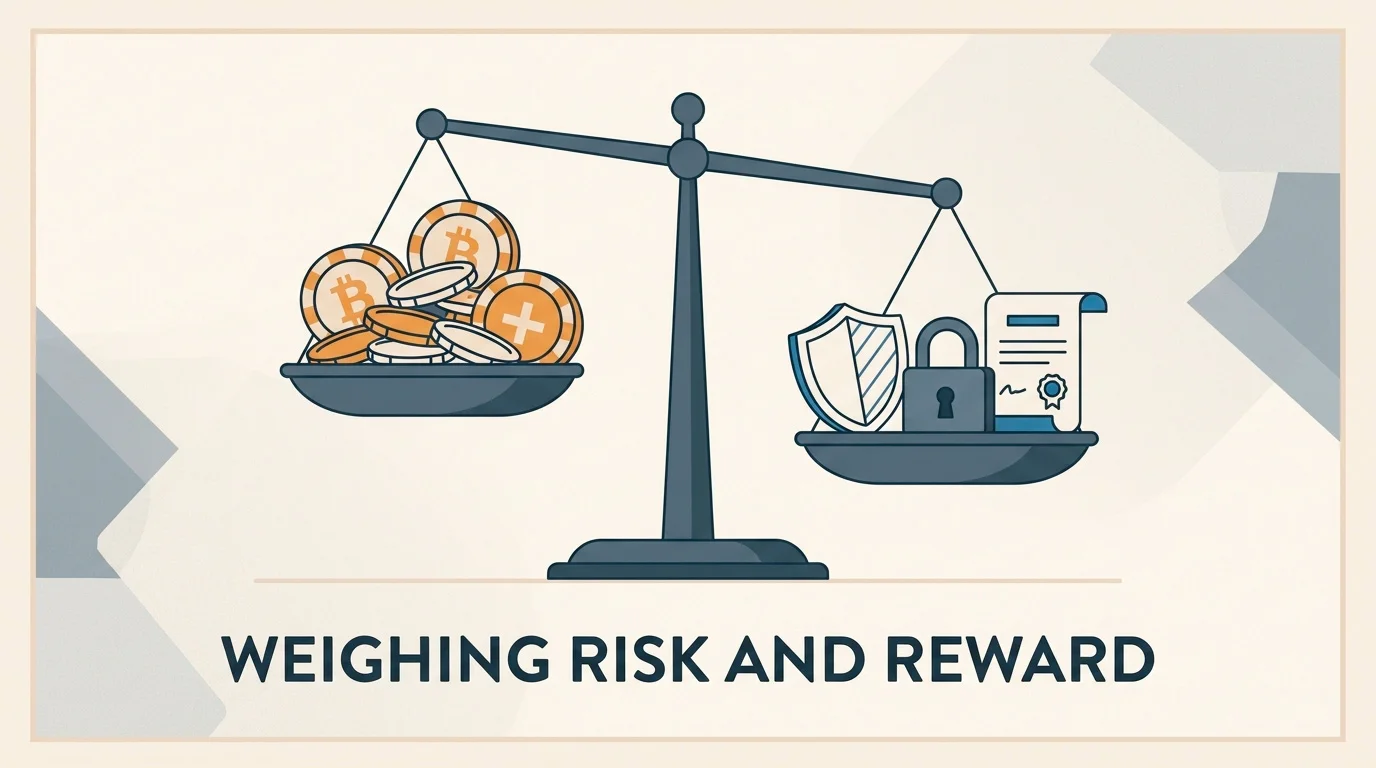
A fair guide has to acknowledge what players are chasing. Offshore sites typically offer fewer limits, larger bonuses, crypto payments and game types that UK rules restrict. Those are real attractions, and pretending otherwise would be dishonest. The question is what sits on the other side of the ledger, because the gains and the losses are not symmetrical.
What you give up is the entire UK protection stack: fund-segregation standards, Gambling Commission-approved dispute resolution and the planned ombudsman, online slots stake caps, affordability checks and the GamStop safety net itself. One thing that does not change either way is tax: player winnings are taxed at 0 percent in any jurisdiction, so the absence of UK tax is not an offshore advantage. Our side-by-side on what you give up outside the UKGC weighs both columns honestly.
What draws players offshore
- Fewer deposit and stake limits
- Larger headline bonuses and packages
- Crypto deposits and faster sign-up
- Game types UK rules restrict
What you trade away
- No fund-segregation guarantee or approved dispute route
- No online slots stake caps or affordability checks
- No GamStop self-exclusion cover
- Bigger bonuses carry heavier wagering and cashout caps
How did GamStop come about, and what is changing now?
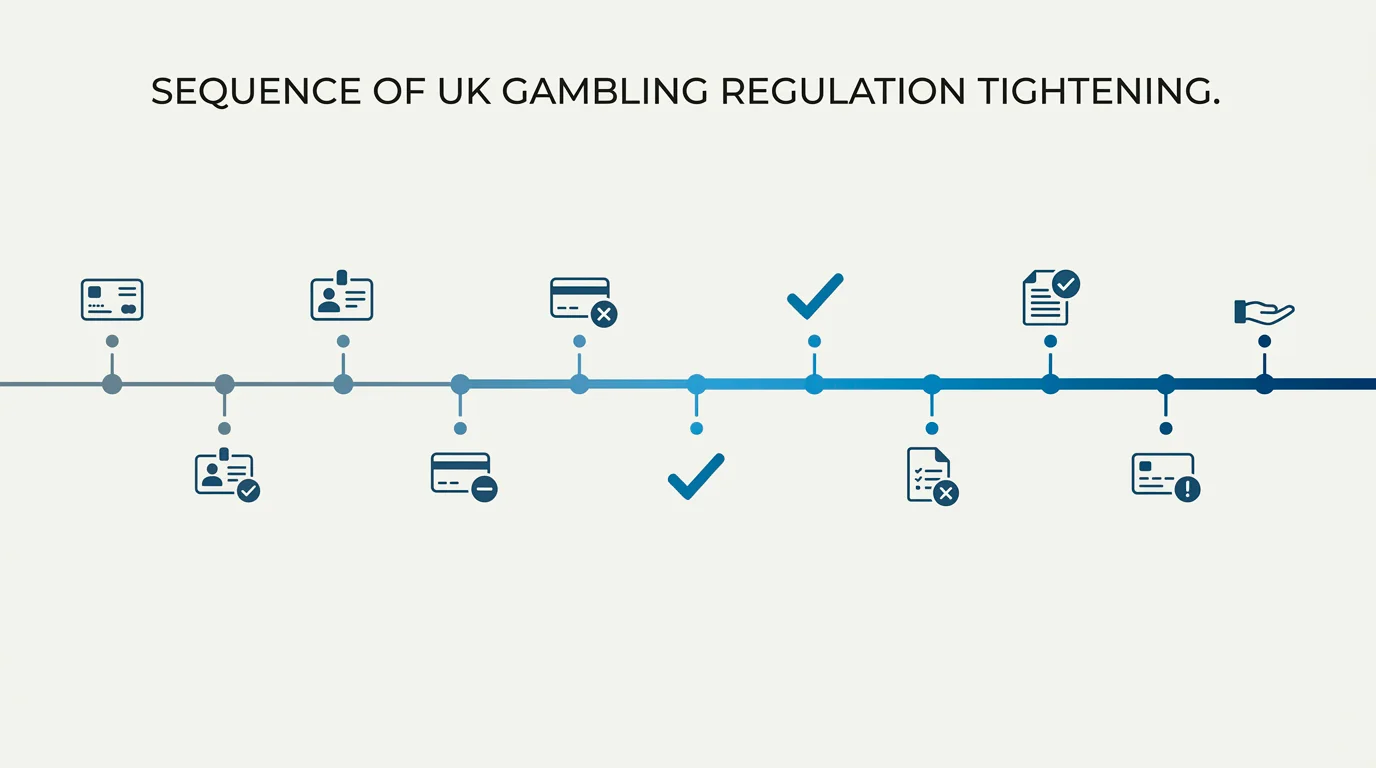
GamStop was launched in April 2018 to close an obvious gap: a player could self-exclude from one site and immediately open an account at another. By making exclusion national and shared, and then mandatory for the whole UK-licensed online estate, the scheme turned a per-site promise into a single switch across the regulated market. The extension to telephone and email betting in April 2024 closed another route around it.
The wider UK regime is tightening at the same time, which sharpens the contrast with offshore sites. Online slots now carry statutory stake caps of 5 pounds per spin for players aged 25 and over and 2 pounds for those aged 18 to 24, introduced through 2025 and detailed in the Gambling Commission stake-limit guidance. On the tax side, Remote Gaming Duty is rising sharply from 21 percent to 40 percent from 1 April 2026, a change set out in the government Budget. Each of these tightens the UK market and widens the gap players step across when they go offshore.
So where does that leave a UK player weighing this up?
The practical position is straightforward once the marketing is stripped away. You can legally play at a casino not on GamStop, but you are choosing a foreign-licensed site that usually serves you unlawfully from its own side, holds your funds without UK protection, defers its checks to the worst possible moment, and offers little real recourse if something goes wrong. The larger bonuses and looser limits are genuine, but they are priced into terms that often make them worth far less than they look.
If you are reading this because a GamStop period is ending, the responsible route is to wait it out and come off through the proper channel rather than chase an offshore workaround, and our guide on ending GamStop self-exclusion the proper way explains how. And if you have self-excluded and feel pulled towards these sites, that pull is itself worth taking seriously: the support in the next section exists precisely for that moment, and reaching for it is the stronger move.

Where to get help right now
If gambling is causing you harm, or you have self-excluded and feel drawn back, free and confidential help is available in the UK at any hour. There is no judgement in reaching out, and support is designed to meet you wherever you are.
- National Gambling Helpline (GamCare) — 0808 8020 133 — open 24 hours a day, every day, free to call. More at gamcare.org.uk.
- GamStop — the national self-exclusion scheme for UK-licensed sites, at gamstop.co.uk.
- BeGambleAware — advice, tools and treatment routes at begambleaware.org.
- Gamban and TalkBanStop — blocking software combined with support and self-exclusion for a stronger barrier.
About the author
Owen Radcliffe has spent over twelve years tracking the UK online gambling market, with a particular focus on licensing, self-exclusion frameworks and the offshore operators that sit outside the GamStop scheme. His work centres on explaining how UK Gambling Commission rules, payment restrictions and player-protection tools actually affect people in practice, rather than in theory. He writes plain-language analysis aimed at helping readers understand the regulatory and financial trade-offs before they act. He holds a professional background in compliance research and regularly reviews published regulator guidance and consultation outcomes to keep his explanations current.
Questions UK players ask about non-GamStop casinos
Are casinos not on GamStop legal for UK players?
For the individual placing a bet there is no UK offence in playing at an offshore site. The legal weight falls on the operator: providing remote gambling facilities used in Great Britain without a UK Gambling Commission licence is an offence under section 33 of the Gambling Act 2005. So a UK player is not breaking the law, but they are using a site that operates outside UK rules and outside UK protection.
Can a non-GamStop casino block me if I have self-excluded?
No. GamStop only blocks sites licensed by the UK Gambling Commission. An offshore casino that holds no UKGC licence is not connected to the scheme, which is precisely why it can still take a registration from someone who has self-excluded. If you are self-excluded, that is a strong signal to seek support rather than a route to keep playing.
Is my money protected at a casino not on GamStop?
There is no UK-backed protection. UKGC operators must meet fund-segregation standards and route disputes through approved alternative dispute resolution. Offshore sites are not bound by those rules, so a frozen balance or a refused withdrawal usually leaves you relying on the foreign regulator named on the licence, with limited practical recourse.
Do non-GamStop casinos really skip identity verification?
Rarely in full. Most sites described as no-verification are really low-KYC or deferred-KYC: checks are pushed to the withdrawal stage, where enhanced identity and source-of-funds requests appear exactly when you try to cash out. That pattern is a common cause of delayed and frozen payouts.
Why are non-GamStop bonuses so much bigger than UK ones?
Offshore operators are not bound by UK marketing and bonus rules, so headline percentages and package sizes can be far larger. The trade-off sits in the terms: high wagering multipliers, game weighting and maximum-cashout caps frequently make the real value much smaller than the headline, and disputes often start here.
What should I do if I am struggling to stop gambling?
Free, confidential support is available in the UK at any hour. The National Gambling Helpline run by GamCare is on 0808 8020 133, open 24 hours a day. GamStop lets you self-exclude across UK-licensed sites, BeGambleAware offers advice and tools, and TalkBanStop combines support, self-exclusion and blocking software.